Certificate
Mont Blanc
flights
- Regulatory reminders (border crossings, radio watch and calls, carrying oxygen)
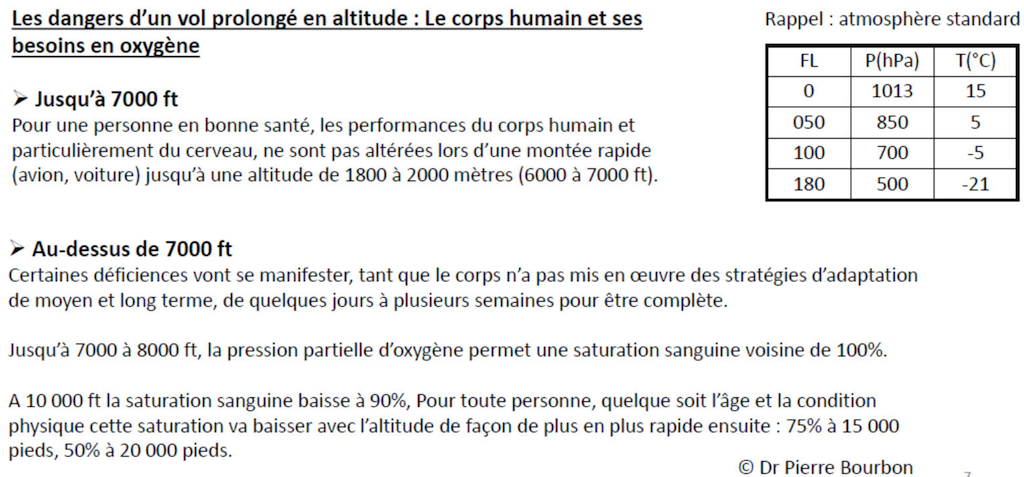
- Basics of high-altitude physiology
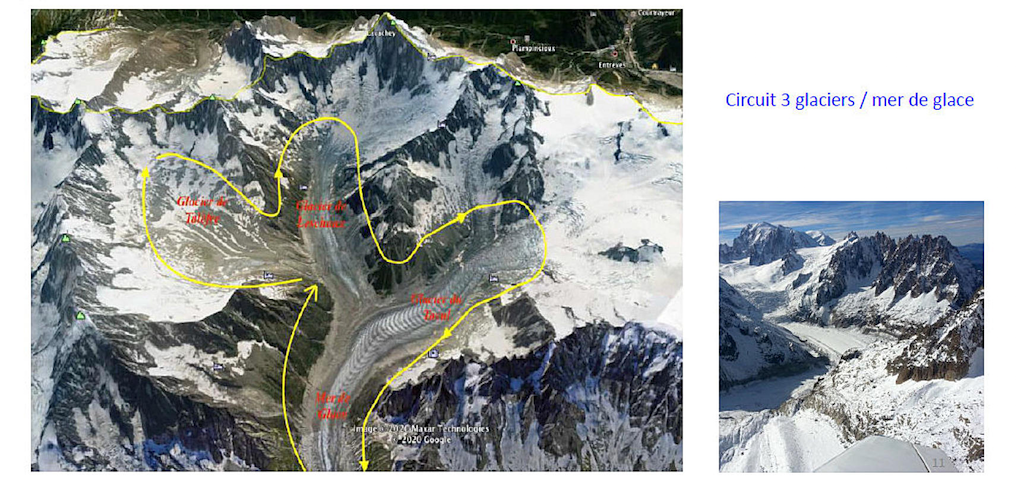
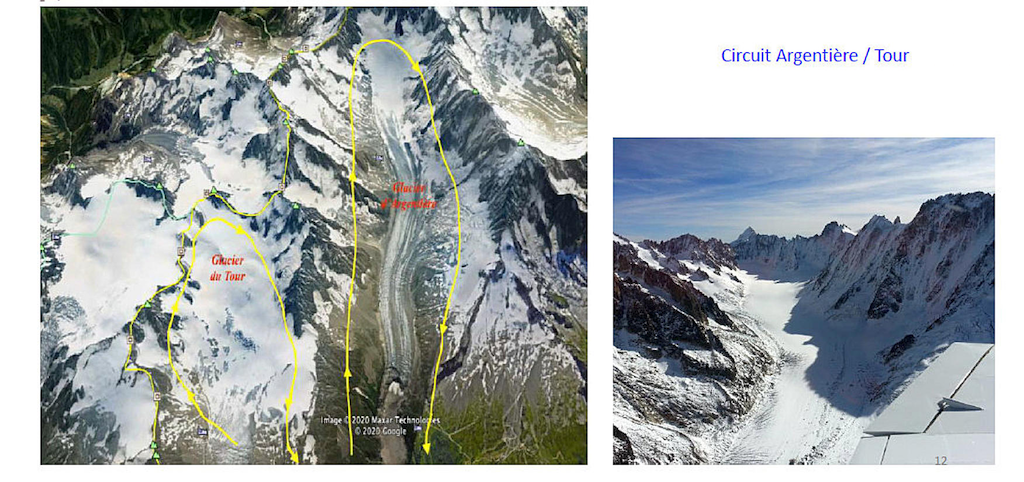
- The recommended routes.
- Full briefing for the Mont Blanc flight certificate (19 pages)
Do not venture around Mont Blanc without prior instruction.
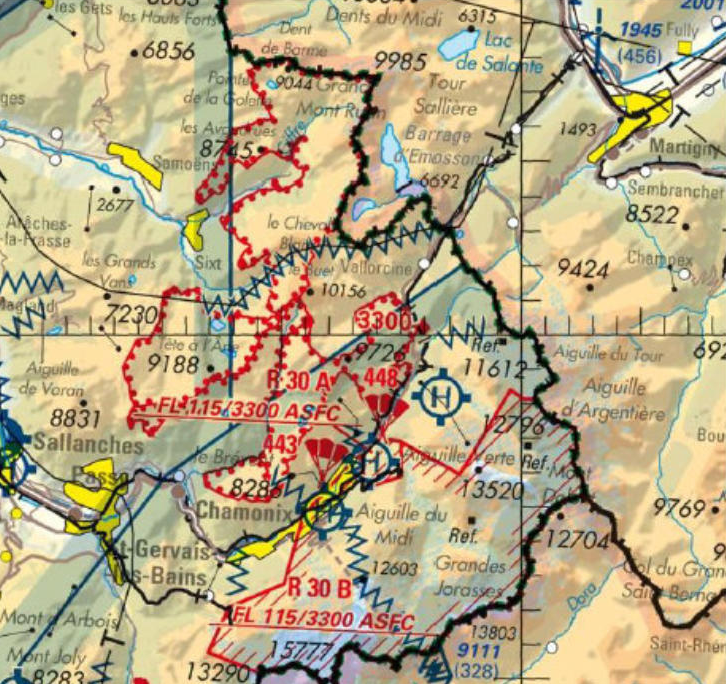
A “Mont Blanc flight” is any flight that enters the volume defined by R30B, whatever its altitude (SFC – FL195).
Training objectives
To give pilots with little mountain experience a flight pattern and basic knowledge so that they can fly in the Mont Blanc massif legally and safely.
How it works
Theory training + 1 flight, given by an MI (Mountain Instructor) or an FI (Flight Instructor) approved by the chief pilot.
An endorsement is entered in the pilot's logbook (experienced pilots may be exempted).
Regulatory reminders
Border crossings
A flight plan must be filed for any border crossing.
Radio watch and calls on 130 MHz
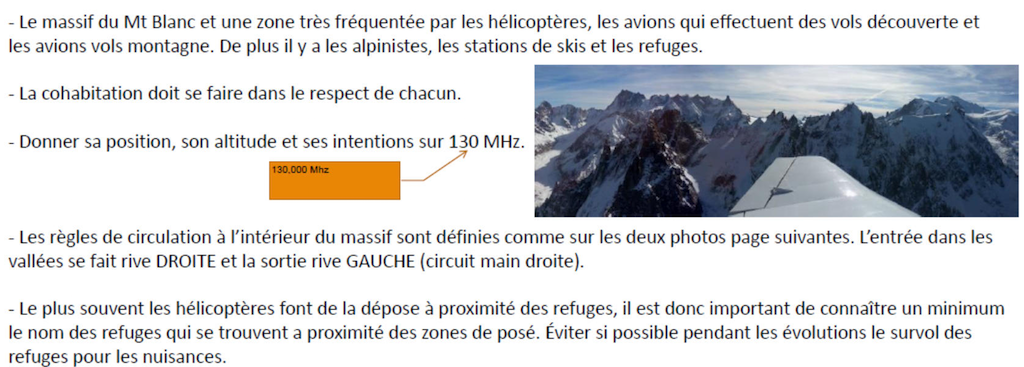
Listening watch and position reports on the 130 MHz mountain frequency.
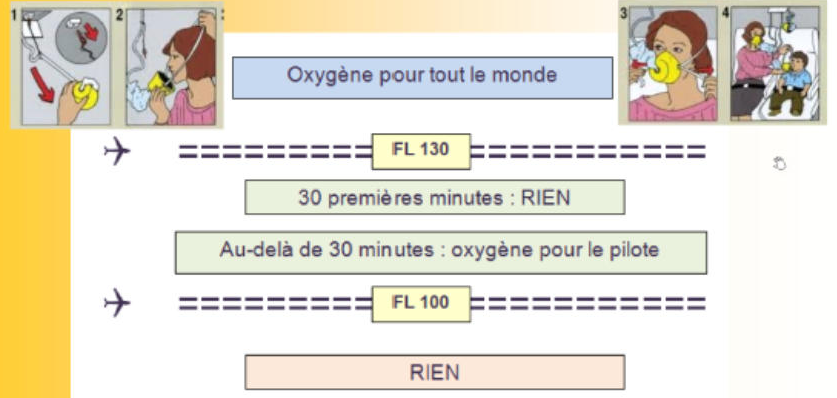
Carrying supplemental oxygen (NCO.OP.190 b)
Flights above 13,000 ft with supplemental oxygen require the chief pilot's approval.
When the pilot in command cannot determine how the lack of oxygen might affect all the occupants on board, they must ensure that:
- while performing duties essential to the safe operation of an aircraft in flight, all crew members use supplemental oxygen for any period of more than 30 minutes when the cabin pressure altitude is between 10,000 ft and 13,000 ft; and
- all occupants use supplemental oxygen for any period when the cabin pressure altitude is above 13,000 ft.
Basics of high-altitude physiology
Recommended routes (AFPM)