Certificate
Sea
crossing
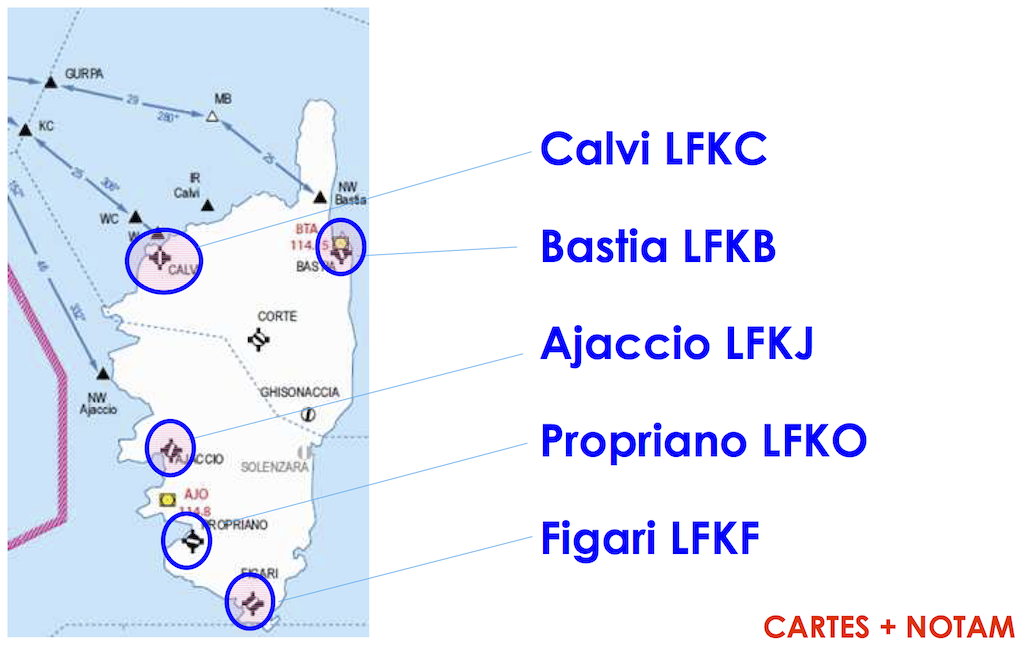
A “sea crossing” is defined as a flight over water beyond gliding distance from the coast. The Aéro-Club du Dauphiné requires theory training and a dual flight with an instructor before you may make sea crossings solo. The ACD sea crossing briefing uses the example of the crossing to Corsica (Calvi, Propriano, Ajaccio, Figari…). See also the SIA leaflet “Mainland – Corsica sea crossing”.
The dangers of a sea crossing
- Heavy traffic and complex airspace (special-status areas)
- A tourist destination means a lot of traffic, published routes and compulsory reporting points.
- Crossings are made visually (departures and arrivals).
- Sharing tasks within the crew = a clear division at the briefing = no improvising; see the “Trips with several pilots” certificate.
- Joining/departures = departure briefing and arrival briefing (shared).
- Possible loss of external references
- Sea and cloud merging together.
- Sea haze, coastal fog and sea fog.
- Long flights = human factors (hypoxia, fatigue, physiological needs…).
- Strong wind and turbulence on arrival.
- Difficult aerology because of the terrain.
- Regulatory aspects: VFR guide and supplement to aeronautical charts, VFR pilot's memo (FFA website).
Example of a weather analysis
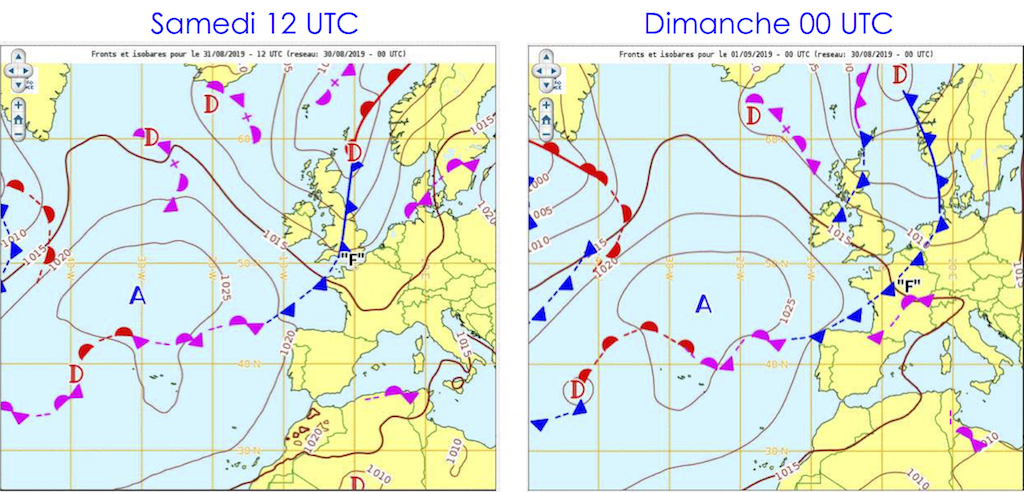
Synoptic situation
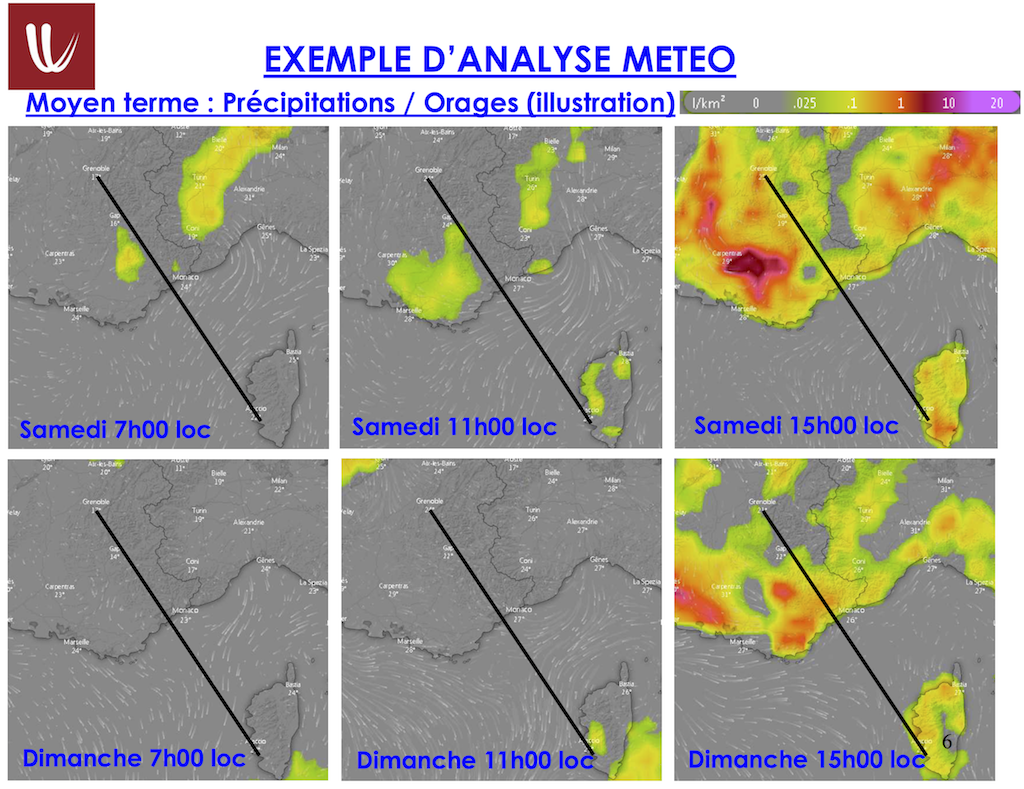
Precipitation / Thunderstorms
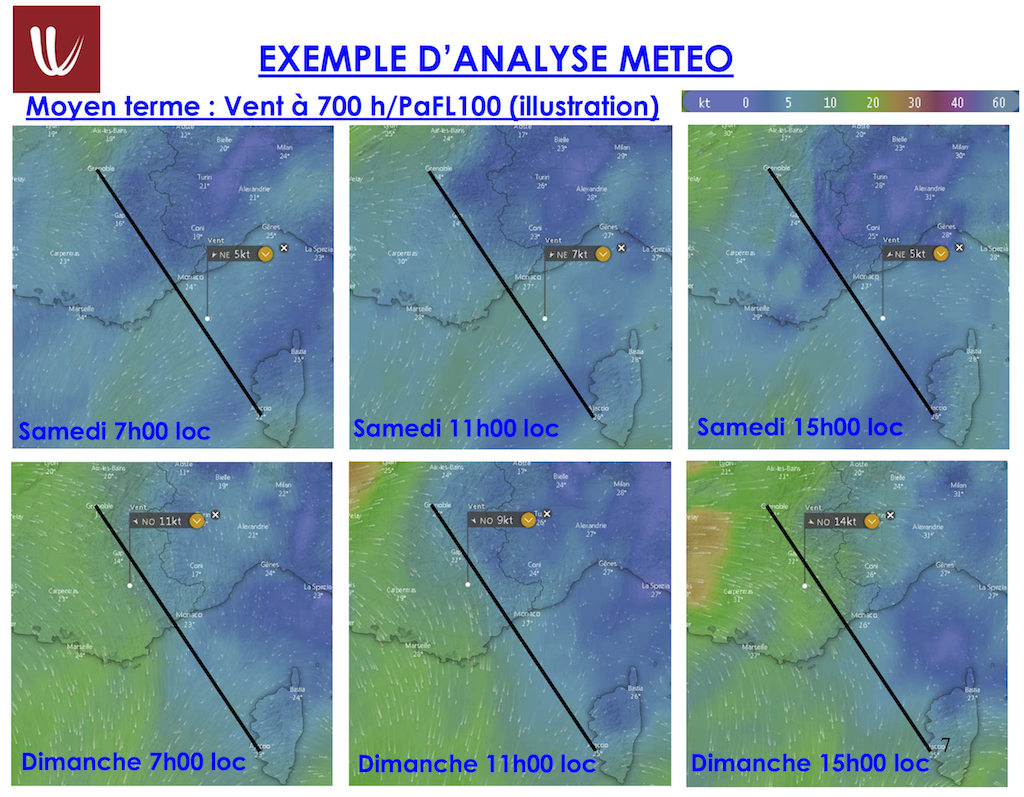
Wind at 700 hPa (FL100)
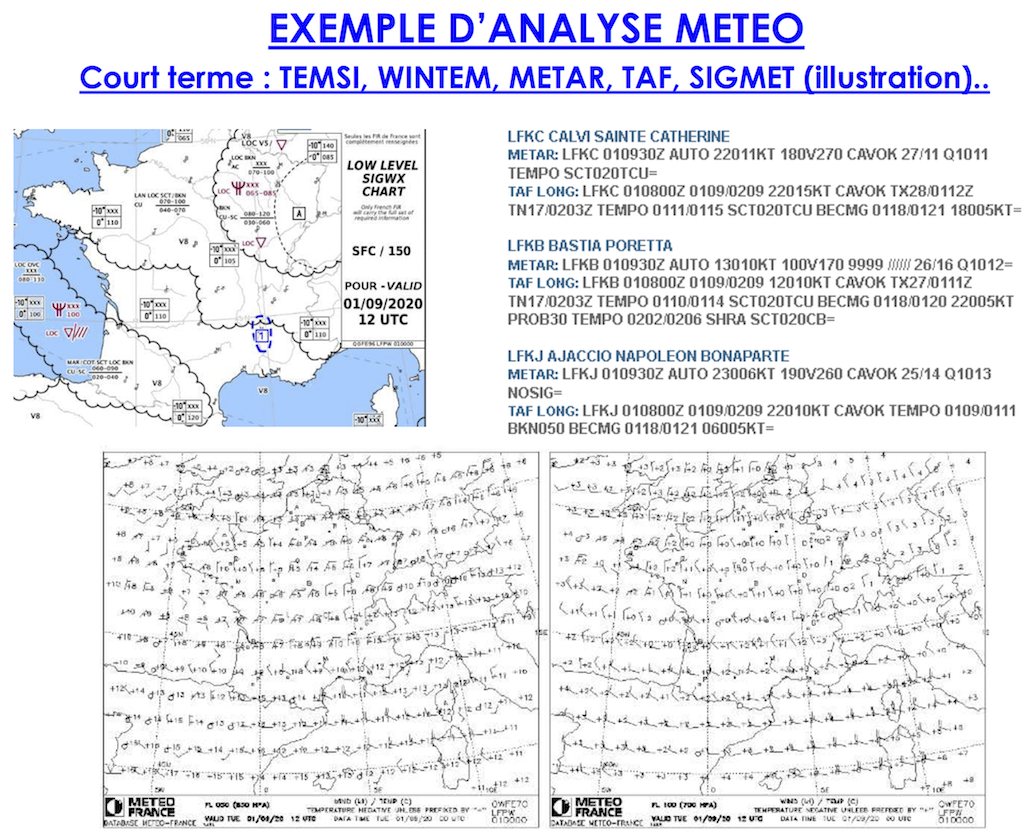
TEMSI, WINTEM, METAR, TAF, SIGMET
Navigation file
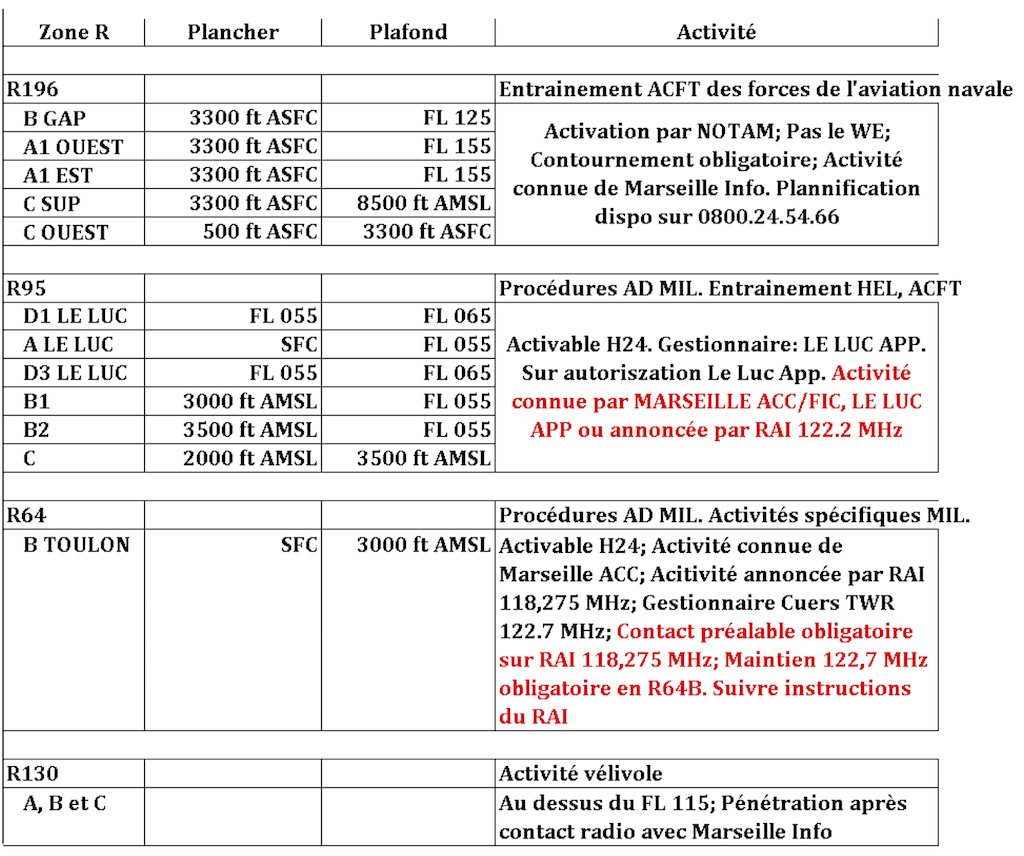
Special-status areas in the Mediterranean sector
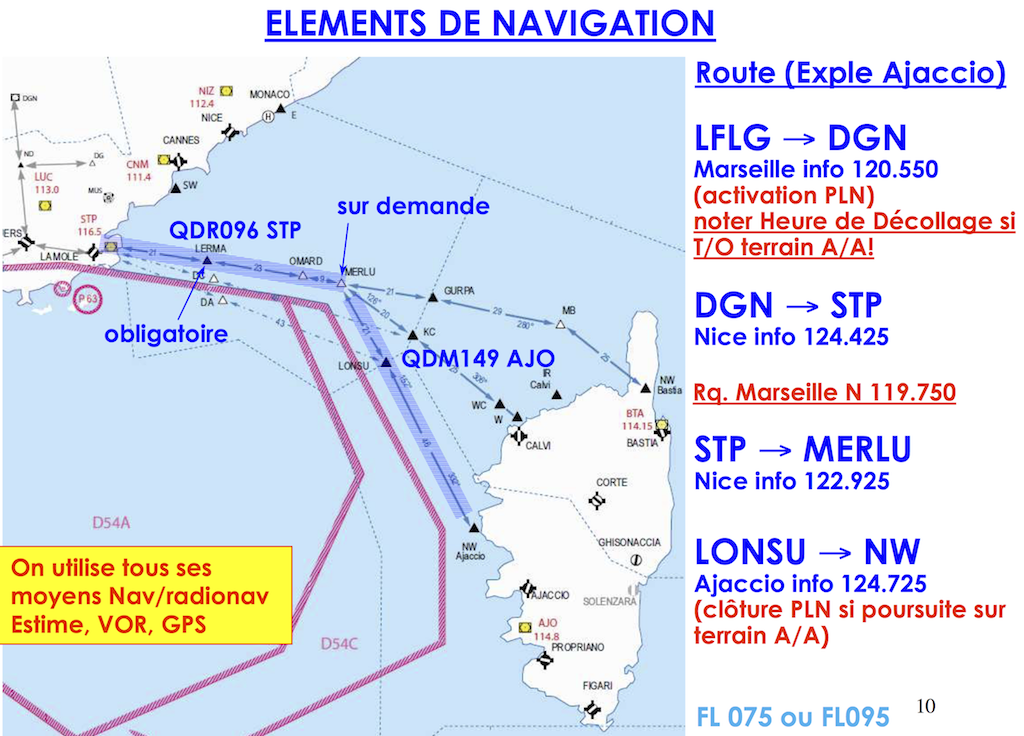
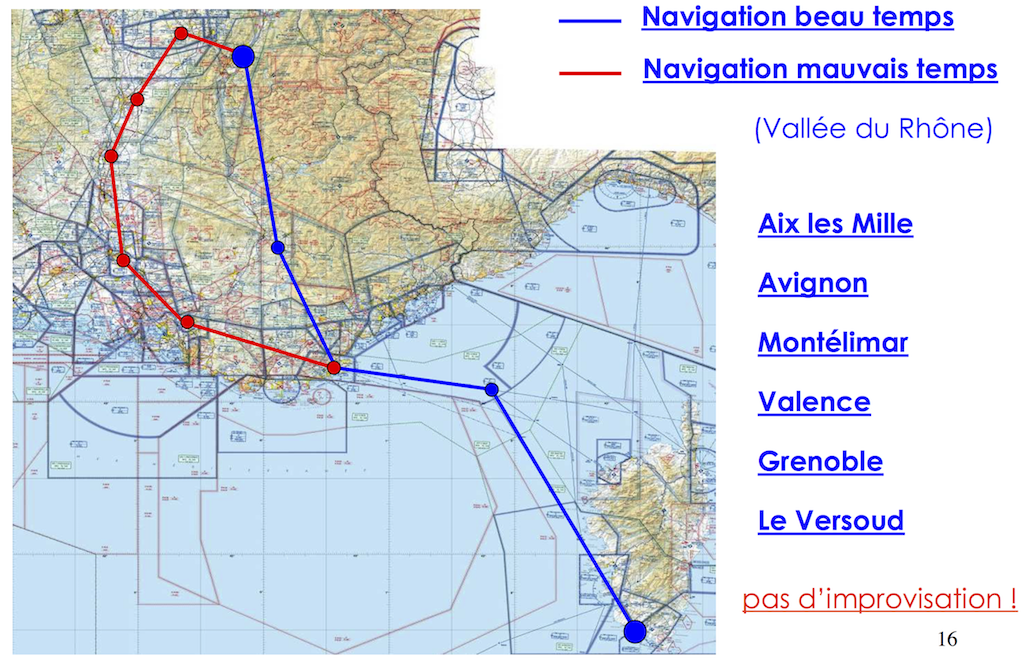
Mainland – Corsica routes
Joining at Calvi
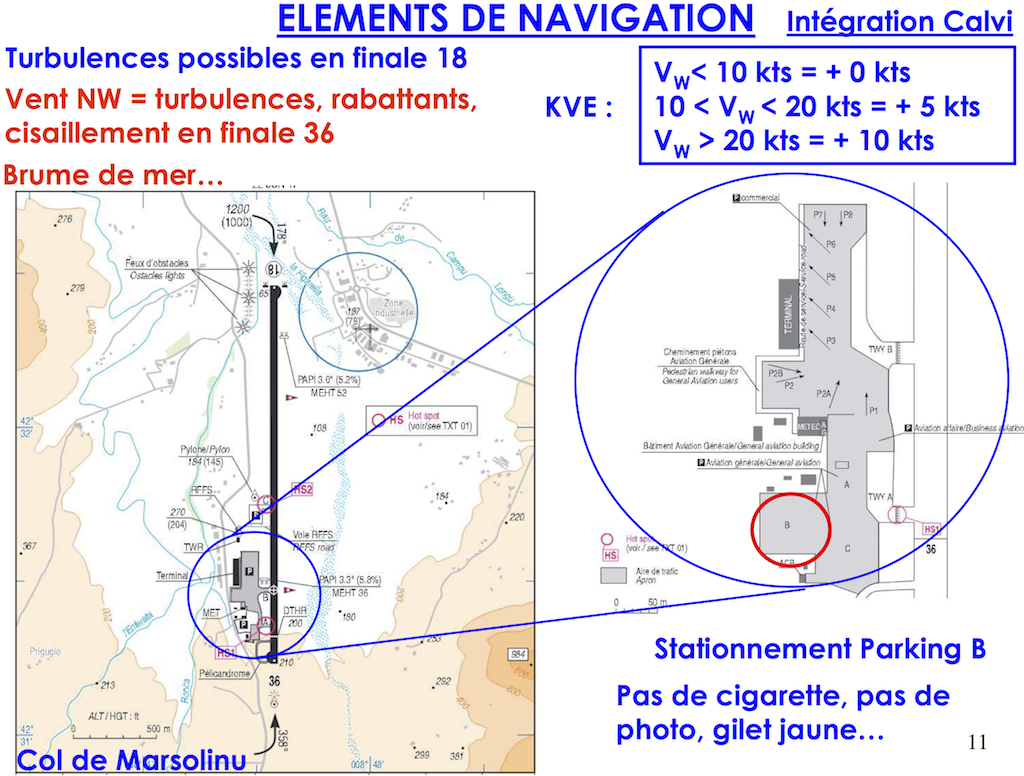
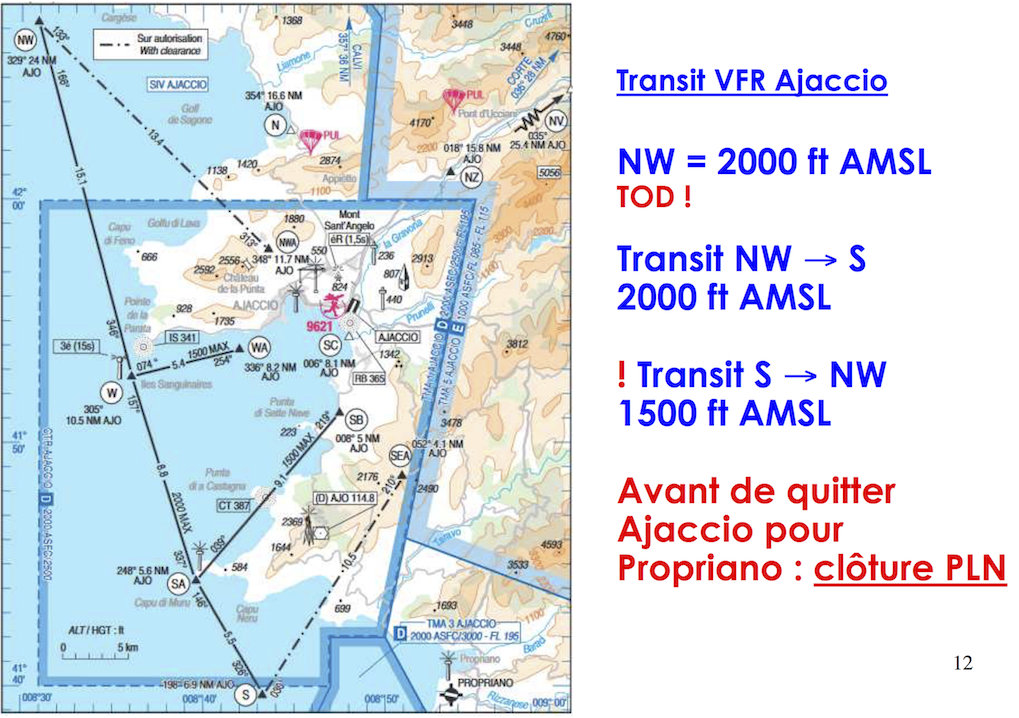
VFR transit at Ajaccio
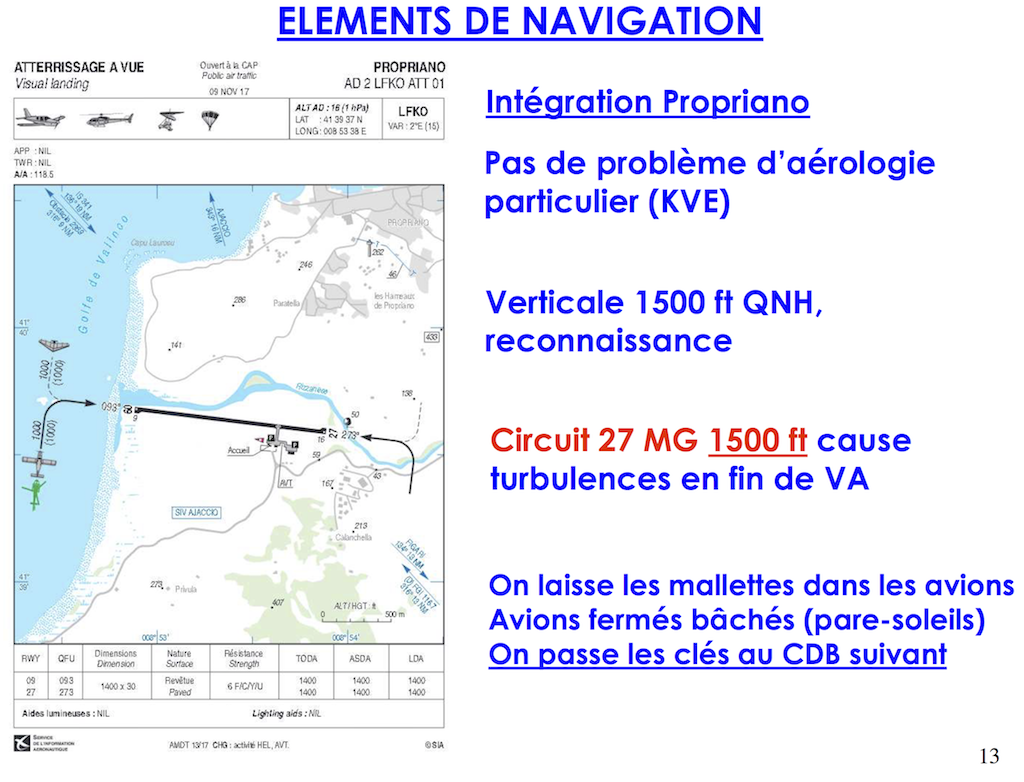
Joining at Propriano
Diversion airfields before the crossing
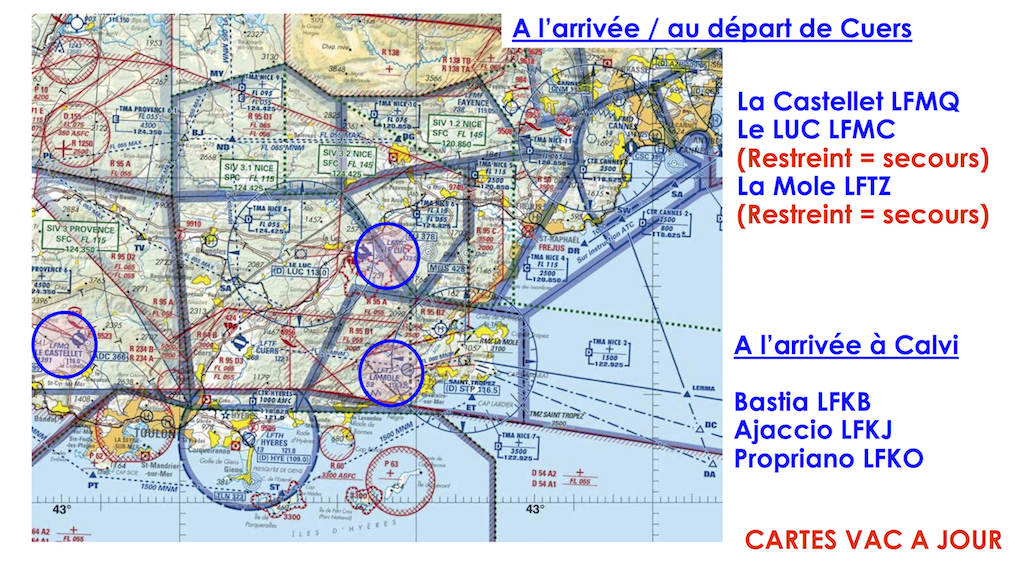
Diversion airfields in Corsica
Returning to Grenoble
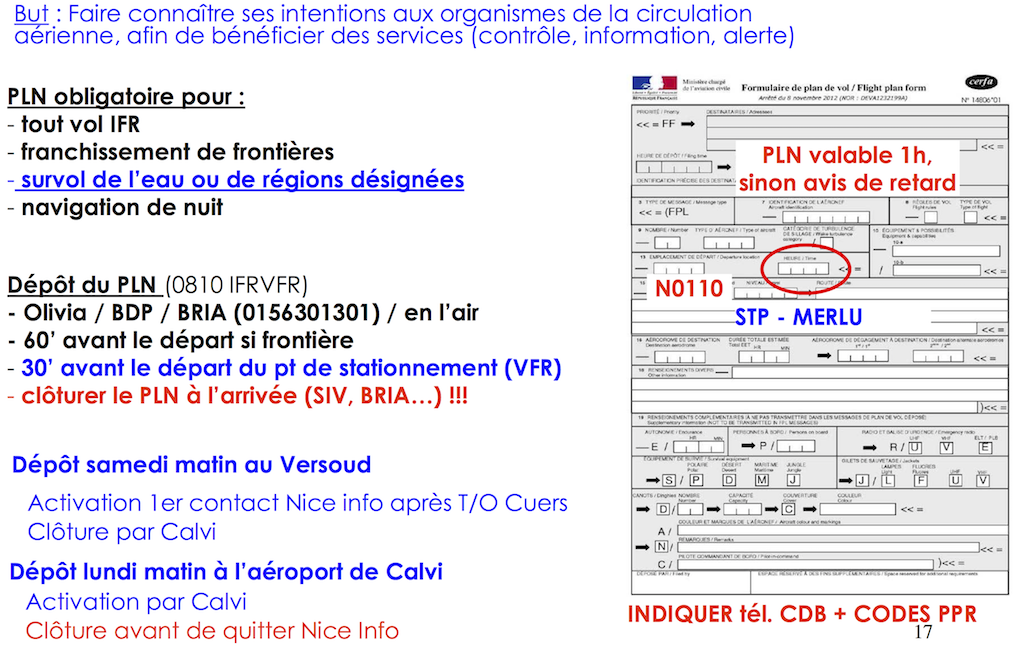
Flight plan
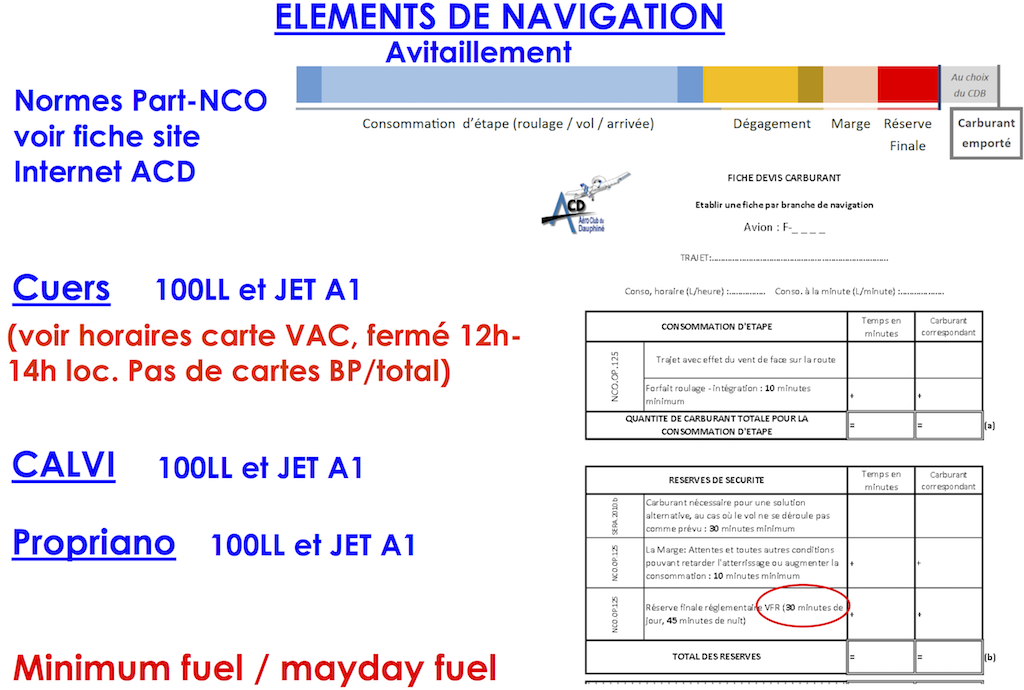
Refuelling
Flying aids, documents
- Charts (1:500,000, 1:1,000,000, 1:250,000, current VACs…), including diversion aerodromes: compulsory.
- Ruler, protractor, kneeboard, navigation log, pencil.
- Identity papers, licence, logbook, current medical certificate, means of payment, glasses, cap, water, …
Aircraft
- Aircraft logbook (hours remaining?).
- Valid certificate of airworthiness, certificate of registration, radio station licence, noise certificate, insurance certificate.
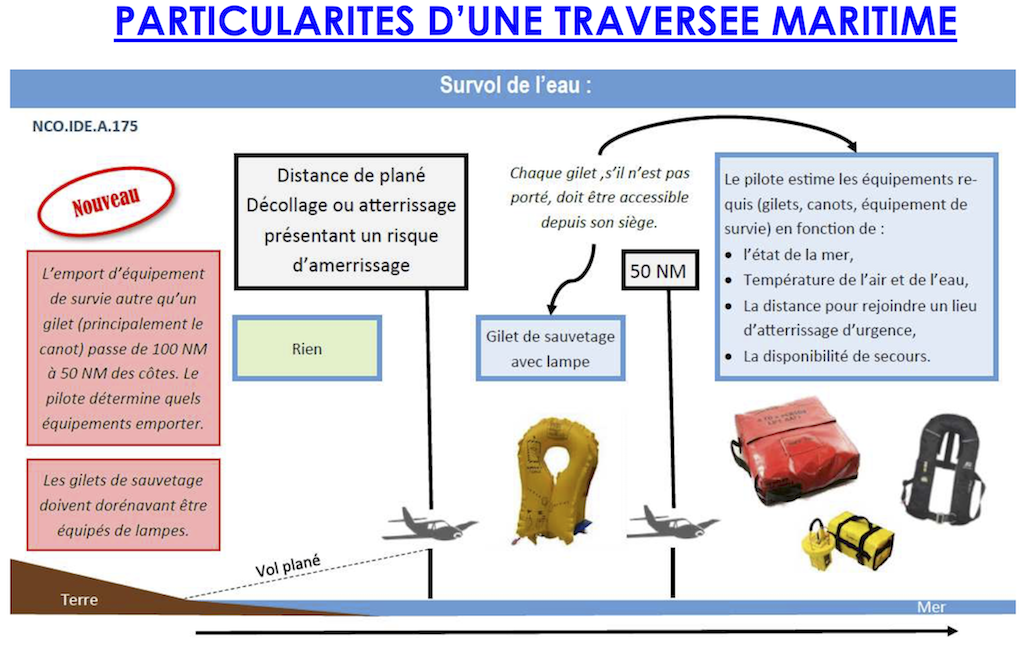
- Weight report, flight manual, other specific equipment (life jackets, life raft, …).
- Weight and balance calculation (changes during the flight), take-off and landing performance, suitability of diversion aerodromes.
Weather
- Full briefing: METAR, TAF, TEMSI, WINTEM, SIGMET (destination and diversion).
NOTAM / AIP SUP / flight plan
- NOTAMs for the route and diversion, AZBA (low-flying military areas), special-status areas, copy of the flight plan (number, filing time).
Fuel planning
- See the regulations, club rules, refuelling options at destination and diversion (VAC)…
Specific features of a sea crossing
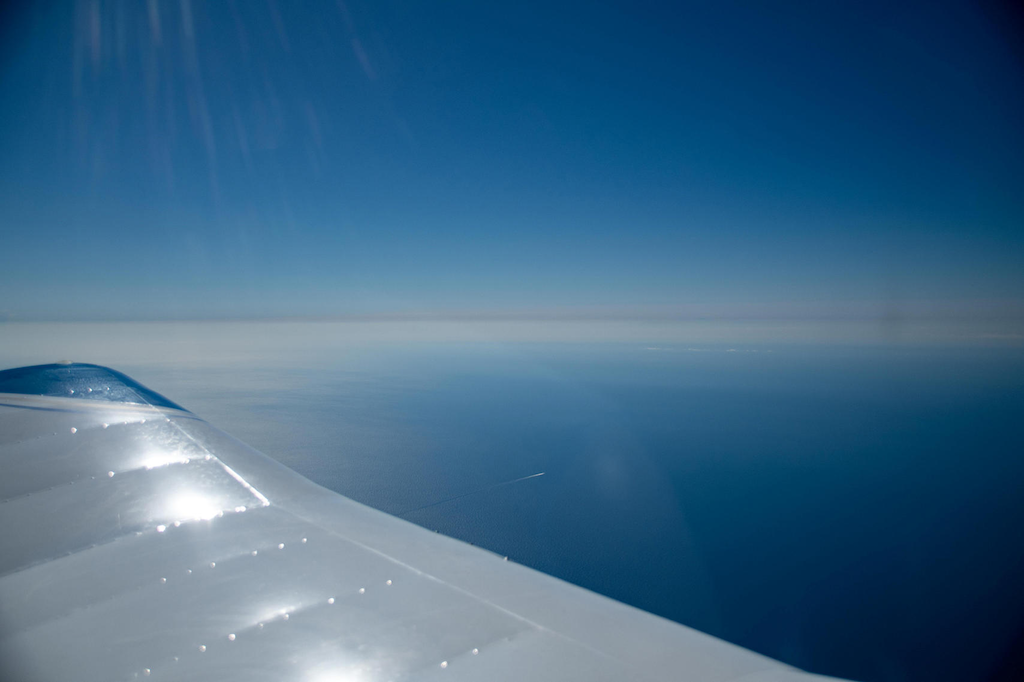
- Loss of external references (sky and sea merging).
- Flight without visual references = instrument flying.
- Spatial disorientation, sensory illusions, fatigue, hypoxia… = danger.
- Reminder: smooth handling (avoid accelerations), trim
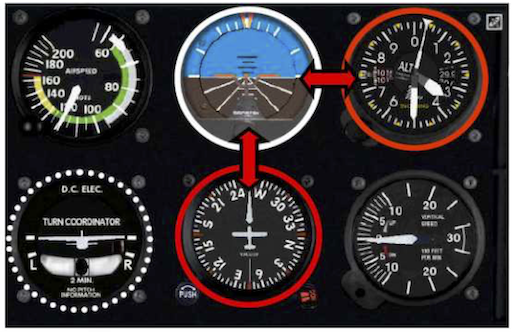
The attitude indicator becomes the only attitude reference
Instrument scan:
Miscellaneous
Life jackets are compulsory; collect them from the office (€5 hire charged to your Private Radar account), red for the pilot in command, yellow for the others (in their packaging, within reach).
At the end of the flight, remember to close your flight plan