
Aerobatics
Detailed
FCL.800 syllabus
The gateway to aerobatics is the European additional aerobatic rating “FCL.800”. This rating allows you to fly aerobatics for pleasure or in competition, in an aircraft designed for it, and to carry a passenger. FCL.800 training has a theory part and a practical part.
Theory training
The following topics, grouped by theme, are covered in accordance with the AMC to PART FCL.800:
Human factors and physiological limits
- Spatial disorientation
- Airsickness
- Effects of positive and negative G
- Greyout, loss of consciousness.
Technical
- Regulations, environment, noise.
- Aerodynamics: slow flight, stall, spin, upright flight, inverted flight.
- General airframe and engine limitations
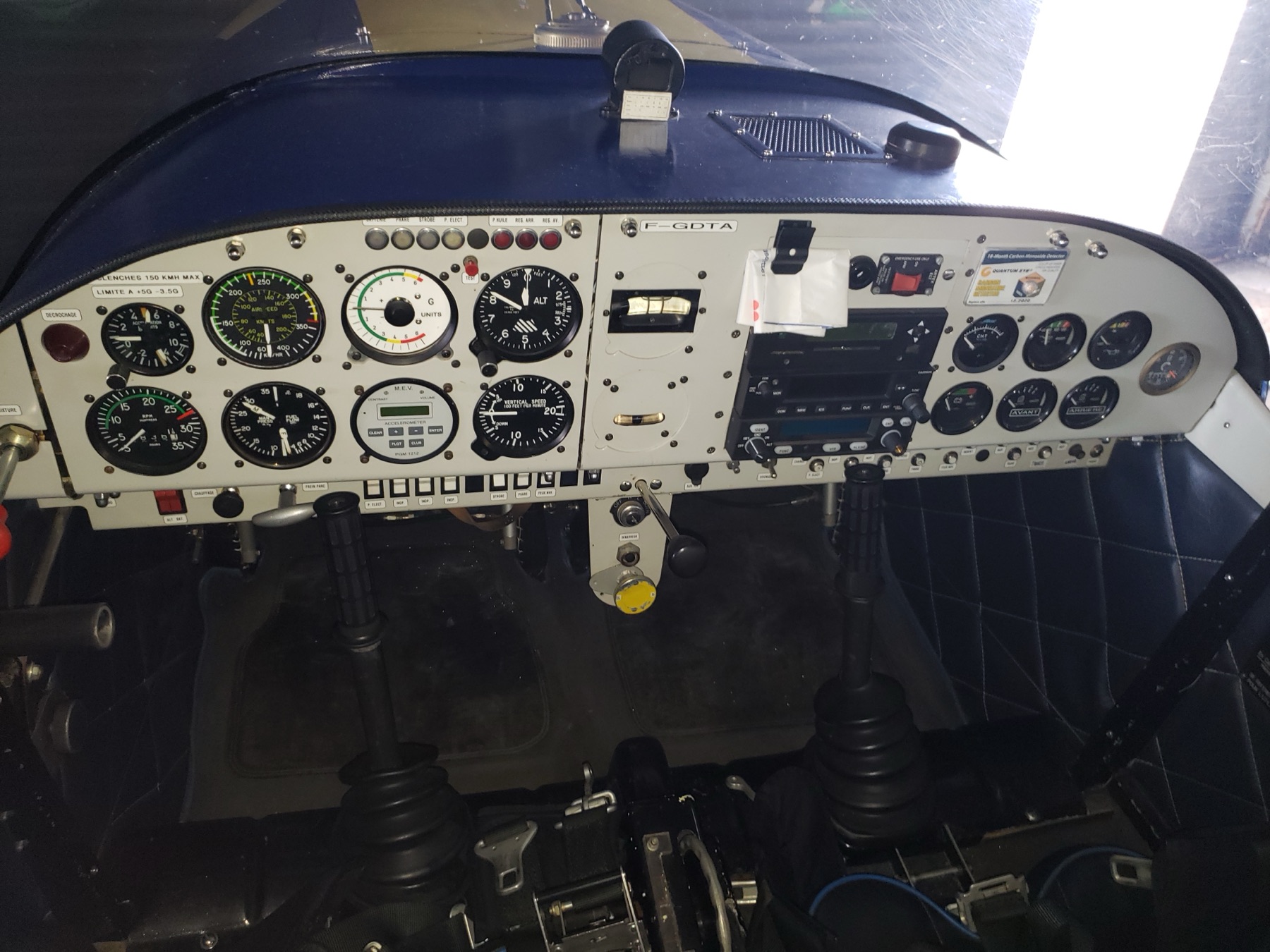
- Using the accelerometer.
Aerobatic figures and recovery manoeuvres
- Entry parameters
- Planning and linking figures
- Figures about the roll axis
- Figures about the pitch axis
- Combining figures
- Entering and recovering from spins, flat spins and inverted spins.
Emergency procedures
- Recovery from unusual attitudes
- Using the parachute and abandoning the aircraft.
Practical training
The aerobatic exercises in the flight training programme must be repeated as often as necessary until the student pilot can fly them safely, to a standard the instructor considers satisfactory. By the end of the training, the student pilot must be able to fly a sequence of aerobatic figures solo, supervised by an aerobatics instructor.
The following points must be taken into account during training:
- Flight preparation, weight and balance calculations, inspection and preparation of the aircraft
- Flying the aircraft using the appropriate visual circuit
- Managing the aerobatic box
- Simulated engine failures during aerobatics
- Threat and error management for aerobatic flights, solo or with a passenger
- Decision-making and flight management in degraded situations.
The lessons (over several flights)
- Pre-flight. Strapping in. Safety actions before aerobatics. Upright straight and level flight at different speeds, stall, tight level upright turns. Recovery from nose-high attitude. Recovery from a dive. Lazy eight.
- Asymmetric flight: sideslip, skid. Chandelle. Upright spins to the right and left.
- 45° climb, spin stopped on a heading, spiral dive, restarting the engine in flight (if applicable).
- Rolling inverted in level flight with a half roll, rolling out to level flight with a half roll, level roll, straight and level inverted flight.
- Inverted level turns, inverted spiral dive, symmetric inverted stall, loop
- Going inverted with a half loop. Immelmann. Linking figures.
- Stall turn. Split S at 45°. Linking figures. Recovering from unwanted situations (“falling out” of a figure, tail slide).
- Falling leaf recovery. Engine failure and interrupting a manoeuvre. Safety when carrying a passenger. Linking figures.
- Inadvertent inverted spin entry. Inadvertent flat spin entry. Dynamic stalls, symmetric and asymmetric. Linking figures.
- Linking figures. Solo flight(s) supervised by an instructor.