
PPL training
Training
objectives
Objective: acquire the skills needed to fly an aeroplane
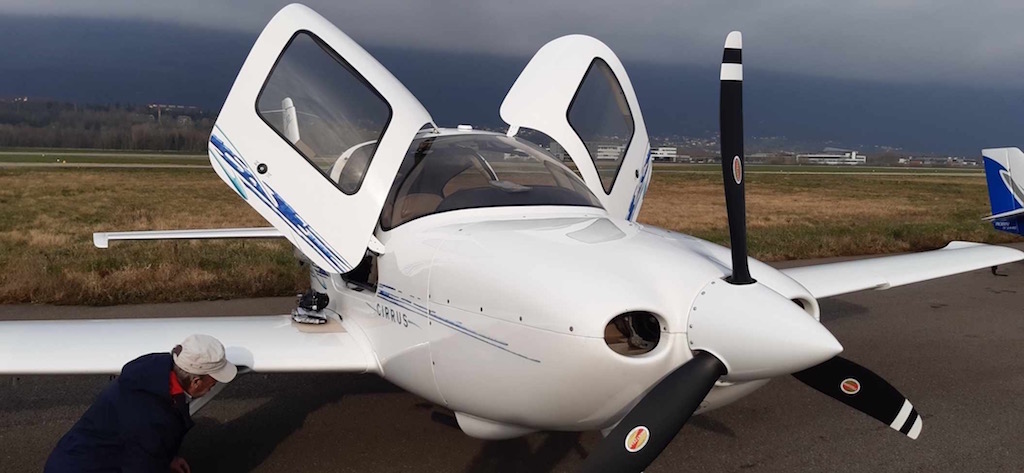
The objective of PPL(A) practical training is to bring the student pilot to a level of competence allowing them to operate a single-engine piston aeroplane (SEP) safely in a VFR environment. At the end of the training, the DTO carries out an assessment, after which the student pilot may take the skill test for the private pilot licence, PPL(A).
Flight training in a flying club has to welcome student pilots of varied backgrounds, profiles and availability. For this reason, there is no maximum duration for this training. Given its length and variability, progress is recorded in a training logbook, to make it easier to resume after long and/or frequent breaks.
This training programme is competency-based (Competency Based Training – CBT). The emphasis is on learning Threat and Error Management (TEM), through technical and non-technical skills.
Technical skills
- Being able to fly an aircraft
- Determining and following a flight path
- Determining and carrying out procedures
- Being able to communicate and understand communications
- Knowing and using documentation
Non-technical skills
- Situational awareness
- Decision-making
- Assertiveness and resource management.
Glossary
- PPL(A) Private Pilot Licence — a document authorising a person to act as pilot on board an aeroplane.
- VFR Visual Flight Rules — a set of regulations under which an aircraft may operate in clear visual conditions, such as bright, clear days
- SEP Single Engine Piston — a type of aeroplane powered by a single piston engine
- DTO Declared Training Organisation